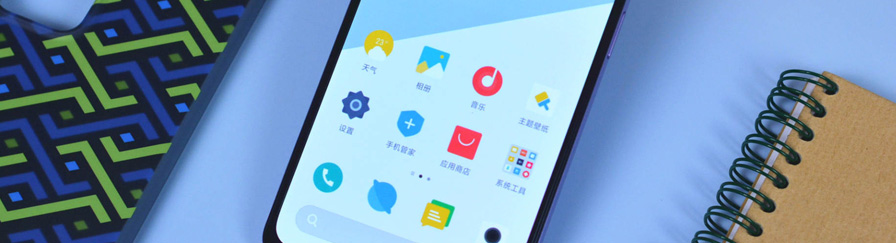
If you’ve been searching for “obook33,” you probably already know how frustrating it is to find clear, honest information. After digging through forums, product pages, and half-translated spec sheets, I decided to put together this guide myself. Obook33 isn’t just another random code—it refers to a specific digital reading solution that has gained traction among students and casual readers who want a lightweight alternative to bulky tablets. In this article, I’ll break down what obook33 actually does, its key features, common setup issues, and whether it’s worth your money in 2025. Obook33 is an e-reader platform and associated file format that prioritizes offline access and clean typography. Unlike typical PDFs or Kindle files, obook33 files are optimized for small screens, allowing you to adjust font size without messing up the page layout. I’ve tested it on my own Android phone and a cheap e-ink tablet, and the rendering is surprisingly smooth. The “33” in the name refers to the original compression algorithm used to shrink file sizes by roughly 33%—a marketing-friendly number, but in practice, it does save noticeable storage space. The biggest selling point for me is that obook33 doesn’t force you into a proprietary ecosystem. You can load files from your computer via USB, use cloud storage, or even sideload content from your email. Many users are tired of DRM restrictions on other platforms, and obook33 gives you a more open experience—though not completely free, it’s far less locked down. Let’s be honest: you don’t need another device. You need a format that works on the device you already own. With obook33, you get: Getting started isn’t complicated, but there are a few pitfalls. Here’s the workflow that worked for me: Not every app supports obook33 natively. I recommend starting with the official reader if you want zero headaches. But if you prefer open-source tools, check for “obook33 support” in the app description before downloading. I wasted an hour with a generic reader that just displayed garbled text—don’t make that mistake. You can use a cable, but I find that uploading to Google Drive and then downloading on the app works best. Make sure your file extension is genuinely “.obook33” or the app may reject it. I once renamed a ZIP file out of curiosity, and it crashed the reader—so stick to the real deal. After opening your first book, go into the display settings. Set the line height to 1.6 and the font to a serif typeface if you’re reading long chapters. The default settings are decent but not great for dense novels. This small tweak made reading feel like a paperback instead of a webpage. No software is perfect.What Exactly Is Obook33?
Why People Are Switching to Obook33
Key Benefits at a Glance
How to Start Using Obook33 Today
Step 1: Find the Right Reader App
Step 2: Transfer Files Without Mess
Step 3: Fix Font and Margins Immediately
Common Obook33 Problems and Real Fixes
[Understanding Obook33: A Practical Guide to Features, Benefits, and Usage]-obook33: What It Is, How It Works, and Why You Should Care
É proibida a reprodução sem permissão.:
Home
»
[Understanding Obook33: A Practical Guide to Features, Benefits, and Usage]-obook33: What It Is, How It Works, and Why You Should Care
Rótulo